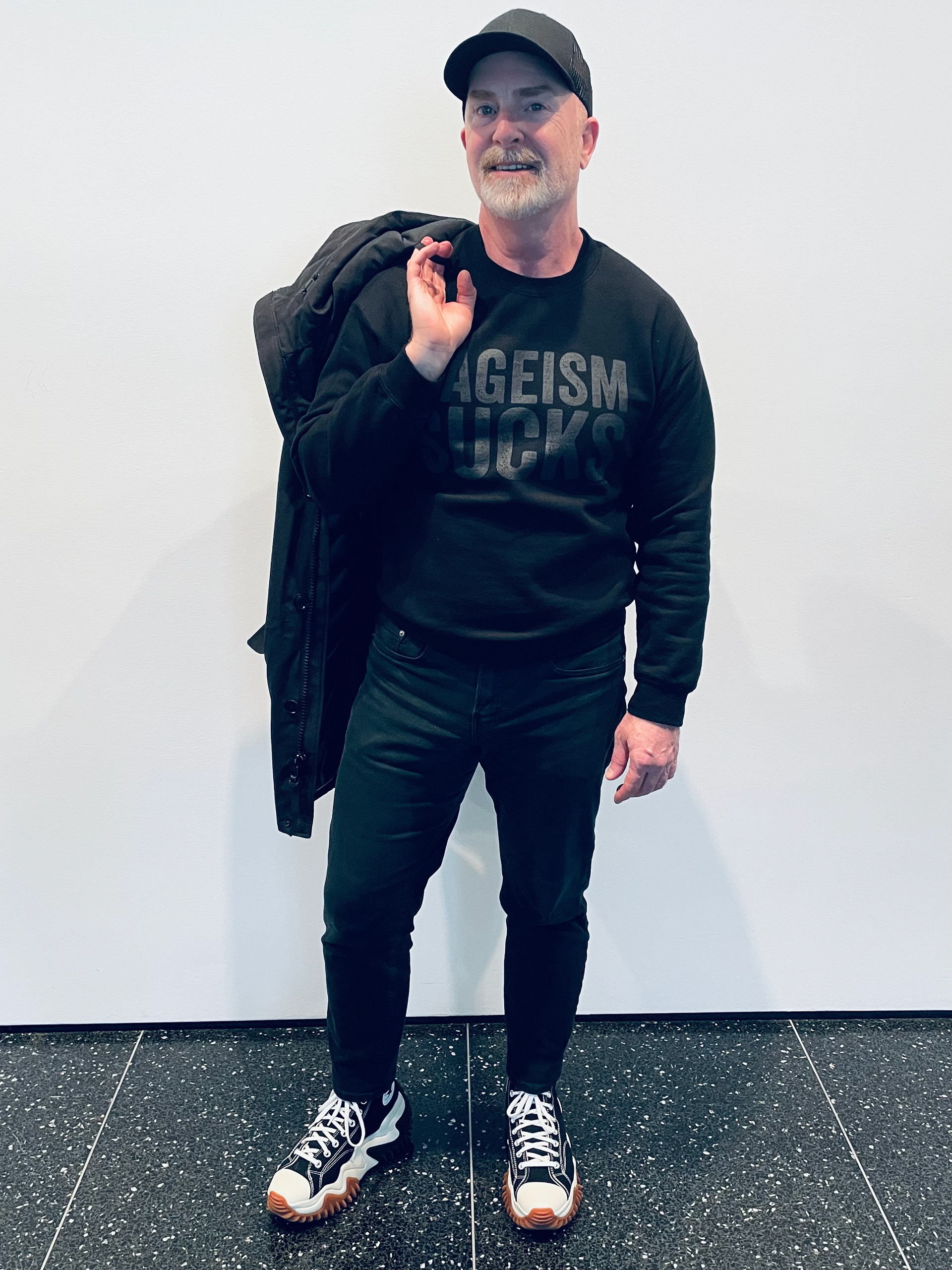
ABOUT ME
I’m a New York City–based graphic designer with a particular focus on book jackets, typography, and the relationship between images and text. My broader work in publicity, marketing, publishing-related communications, photography, and cultural projects informs an approach that considers both the integrity of the book and how it will be encountered by readers. Based in the East Village, I draw heavily from literature, record jacket design, photography, contemporary art, independent publishing, and New York visual culture. More bio here.
MY APPROACH TO BOOK JACKET DESIGN
Every book begins with a central idea. My role is to translate that idea into a jacket that captures the book's character, reaches its intended audience, and distinguishes it within the market. Before we begin, I encourage clients to review my Book Cover Design and Selected Work pages to ensure my design sensibility aligns with the project.
We begin by discussing the book's editorial, commercial, and visual objectives. I typically ask to read the full manuscript—or several chapters if it's still in progress—and often suggest a conversation about your vision, influences, and intended audience.
I begin with ideas rather than images. Strong typography, thoughtful pacing, and a clear visual concept form the foundation of every jacket, whether the solution is photographic, illustrative, or purely typographic.
Once we're aligned, I'll develop a small number of focused concepts, each built around a distinct idea rather than a range of stylistic variations. The objective is a conceptually strong, visually distinctive jacket that works equally well on a bookstore table, in a catalog, or as a digital thumbnail.
My background in publicity and marketing also informs how I think about positioning and discoverability.
I work closely with authors, editors, and publishers to refine the chosen direction before preparing complete production-ready files, including the full jacket, spine, flaps, and print-ready artwork.
The strongest jackets aren't decoration added at the end of a project. They're the result of understanding the book well enough for the design to become part of its editorial voice.